
Got a question you’ve been sitting on?
Whether you’re living with a disability, caring for someone who is, or just want to understand more, this is your place for real, reliable answers from our founder, Alexandra Nicklas. She draws on her own experience and a panel of expert professionals she consults when needed.
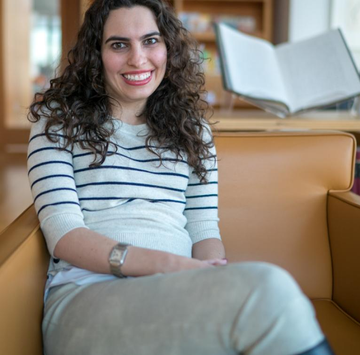
Answers from Alexandra, our founder
Questions Ali has answered
Browse what others have asked. Chances are someone has wondered the same thing. Tap a question to read Ali’s answer.
PsychologicalWhat Are Some Effective Methods for Dealing with Negative Thoughts?
Negative thinking can be overwhelming and is sometimes a direct result of depression. The negative thoughts come in all forms and can greatly distress and impact a person’s worthiness, self-esteem and pleasure in life. Cognitive Behavioral Therapy (CBT) that targets identifying negative thinking to rational reason can be very effective. I work with a cognitive behavioral therapist and it has been a game changer with my episodes of anxiety and depression. To reduce or eliminate irrational thoughts, keeping busy and having a daily structure is helpful.
There are other ways to help offset negative thinking. One is to have a gratitude practice. Spending a few minutes every day and thinking about things that you are grateful for can help slow down and break the chain of negative thoughts running through your mind. These grateful thoughts can be about anything, no matter how big or small. Sometimes you may be so overwhelmed by the challenges that you face that you have to look for things in your life, to find a starting point. You could be grateful for your morning cup of coffee or tea. You could be grateful for how your dog licks your face every day or how your cat comes to you for affection.
Take a moment now and think about something you are grateful for. I know I’m grateful for you asking this question and being able to share these ideas with others. I hope it helps!
— Alexandra
PsychologicalWhat Steps Can I Take To Improve My Mental Health?
Mental health is a broad topic. There are everyday natural techniques and professionals to help. Naturally, daily sunlight, exercise, and eating healthy food are important to maintaining happier moods. There are also things you can do to actively work to elevate your mood.
According to Dr. Dan Tomasulo, in his book, The Positivity Effect, there are four things that can help you to have a more positive outlook on life.
- Hope: Having hope can get you excited about your future.
- Empowerment: Recognizing your strengths and the positive things you’ve done can help you to feel stronger.
- Resilience: Working to be flexible in life can help you to bounce back when times are difficult.
- Optimism: Looking ahead to see positive things in life to work towards.
However, sometimes one’s mental health may be overwhelming and one may need help from a professional. If you are overwhelmed by negative thoughts, sadness, or depression, it may be time to consult with a psychiatrist and/or specialized therapist. For neurological disorders, a neuropsychologist (a psychologist specializing in neurological disorders) may be helpful to consult. It is important to recognize this so you can reach out and get the support and help that you need. If you are not sure who to contact, you can ask a trusted medical professional who is familiar with your condition. You are important and deserve to be happy. I hope this helps you on your journey.
If you or someone you know is in crisis, call or text the 988 Suicide & Crisis Lifeline at 988.
Additional resources:
— Alexandra
CaregivingHow Can I As a Caregiver Manage My Own Well-being While Providing Support?
The issue you raise is an important one. It would help me to answer your question if I knew more about your situation. That is, whether you are responsible for an adult or a child, for how many hours a week and are there possibilities to expect another person to provide relief?
The issue of caregiver self-care has become a public health issue because many caregivers suffer from physical and mental illnesses. The reason is that the heavy demands of taking care of another person who is ill and/or dependent leave little space for the caregiver to attend to their own physical and mental health needs. In addition, there is often no time to work outside the home which causes financial strain. Consequently, the caregiving role may be such that the caregiver does not eat well, get enough sleep, exercise and/or socialize; in other words, the caregiver tends to ignore her/his physical and emotional condition.
So the first priority of self care for caregivers should be to make time for eating well and find opportunities to engage in some relaxing exercise. Sometimes, this might initially seem impossible because of the heavy burden of caregiving. If you recognize the importance of maintaining your own health, ideas might begin to flow as you strategize ways you can eat healthy and fit a 20 minute walk into your week. It might help to list all of the caregiving needs and see how you can arrange them to have some time for yourself.
It is sometimes difficult to ask others for help because of fear of imposing on others or fear of being turned down. It is usually better if you have one-on-one conversations with a person who might be willing to help and refer to your list of caregiving needs to see if they will assume one of them that fits their skills and their schedule.
There are many caregiver support groups available in person and online. They are valuable for emotional support, learning how others cope with the stresses you are experiencing and providing you with an opportunity for social interaction.
We have listed below information about opportunities for caregiver support, financial support and educational resources:
- Eldercare Locator – (800) 677-1116. A nationwide service that connects seniors and their caregivers with reputable local support resources.
- Family Caregiver Alliance – (800) 445-8106. FCA provides services, education programs, and resources to help people manage the complex demands of caregiving.
- National Family Caregiver Support Program. The NFCSP provides a range of support options that help families and caregivers care for their loved ones at home.
- National Alliance for Caregiving (NAC) – (202) 918-1013. The NAC is a non-profit organization dedicated to improving the quality of life of family caregivers and their care recipients through research, innovation, and advocacy.
- Caregiver Action Network (CAN) – (202) 454-3970. CAN is a non-profit organization that offers free education, peer support, and resources to family caregivers all over the country.
- AARP Family Caregiving – (877) 333-5885. Offers a wealth of information about issues affecting caregivers. It also provides free care guides, legal checklists, an online community, and a caregiver support line.
- National Institute on Aging (NIA) – (800) 222-2225. Offers an extensive list of online articles on common age-related problems, including a caregiving section that tackles long-term care, Alzheimer’s caregiving, long-distance caregiving, etc.
— Alexandra
Independent LivingWhat Should I Consider When Planning a Vacation to Make Sure It Is Accessible?
Great question! I’m not an expert in this area, so I reached out to travel agent Erin Marr, from Tudalu Travel, for some guidance. Erin said that if you are traveling and need accommodations, it is important to plan in advance as there are usually only a few rooms that are accessible. Know what you need and ask questions.
Depending on what you need, you will have different questions to ask. For example, if you use or need a walker, scooter or wheelchair, you will want to ask about stairs and ease of walking in the area that you are traveling to. Many towns, especially in Europe, have cobblestone roads or lots of stairs, which can make using a wheelchair or scooter more difficult.
Here are just a few other questions that you might want to think about. Keep in mind that not all countries have accessibility guidelines like we have in the U.S.
- What are the rules/guidelines for emotional support and service animals?
- Are there additional fees required for the accommodations?
- If you need transfers, can they accommodate any equipment that you have?
- Do you need a refrigerator to hold your medication?
- If you use a machine for something, do you need an extension cord with an electrical adapter?
- If you are planning on taking a cruise, make sure that the cruise line can accommodate you before you book your travel.
Also, check to see if the hotel you are staying at has an ADA office or ADA trained staff member. They may be able to provide additional assistance for what you need.
You can also call a travel agent to help with your trip. They may be able to provide additional guidance to make your trip special and meet all your dreams.
— Alexandra
Social / CommunityHow Can I Build and Maintain Friendships When Socializing is Challenging Due to My Disability?
Thanks so much for your thoughtful question. Yes, it can feel challenging to make and keep friendships when you have a disability. I try to focus on some basics.
There are some general principles about making friendships. People tend to be friends with people who have similar life views and values; that is, people like people who have similar interests and are engaged in similar activities. Thus, people tend to make friends with people at church or who have the same hobby, those in similar endeavors such as schools, organizations and/or advocacy groups. Within those similar interests, it is easier to make friends if you are a part of a smaller group. For instance, you might belong to a church but will more likely get to know people if you join church committees in which you work side-by-side with other members. The same is true if you join an advocacy group for those with similar differences. Relationships take time and finding the correct group depends on what’s available in your community. Don’t forget that one of the positive consequences of the COVID pandemic is that there are many online groups if transportation is a problem.
I’ll tell you my experience but each of us has different differences with different challenges and lives in different environments. I’d like to hear from you and others about what opportunities are available to you and what was your experience in reaching out to make friends.
What I find is that making friends takes some patience until you find the right group and individuals. When I first try to join a group of people without visible or invisible differences, I find that they may initially respond to my difference and not to who I am and what I bring to the group. This calls on me to realize that, with time, guts and perseverance things might change and they often do.
— Alexandra
TechnologyWhat Technological Advancements Have Improved Accessibility for You?
I have rarely needed to use technology to compensate for my difficulties. With this said, using a recorder for classroom note-taking in school was extremely beneficial.
I know many people have some great tools to help them. Share some of yours here. We can all help each other.
— Alexandra
Social / CommunityWhat Changes Would You Like to See in Society to Promote a More Inclusive and Accepting Environment?
An investment in education and awareness is crucial. Educating the community would reduce disability stigma and discrimination. In educational settings, there should be mandatory courses or workshops focused on disability awareness. Ideally, this should be addressed early in the school years. Also, workshops and seminars on disability and the ADA would be especially helpful. I experienced social bullying as a child and academic discrimination in graduate school. More knowledge and exposure would have helped with this. Ultimately, I believe inclusion is best represented and executed through government action. Please share what you think we could do for a more inclusive environment.
— Alexandra
Ali’s JourneyWhat Achievements Are You Most Proud Of, and How Have They Shaped Your Journey?
Just being someone with a disability who has overcome and accomplished a lot is what I am most proud of. It has not been an easy journey. My persistence, determination and motivation are what got me to where I am socially and academically.
I was very fortunate to have had an opportunity to attend college and graduate school. Graduating college and pursuing graduate studies, however, was an accomplishment that I worked very hard for. I had to put in many extra hours to keep up with my studies and grades.
Starting Different and Able has had its challenges but I continue to navigate these challenges to help Different and Able grow and be successful. Although I will always have cognitive difficulties that will impact my daily functioning, I have been fortunate to learn strategies to overcome my cognitive difficulties.
It takes a village. I would not be where I am today without the help and support of my parents, doctors, teachers and therapists along the way.
Let me know what achievements you are most proud of on your journey.
— Alexandra
Ali’s JourneyWhat Unique Abilities or Perspectives Do You Bring to Your Work or Daily Life?
Learning strategies to help compensate for my differences is an example of some of my unique abilities. I have learned how to type one-handed, take notes for better reading comprehension accuracy, and outline for writing essays. Given these strategies, I have been better able to work and function daily.
I’d love to hear more about what abilities you bring to your life. Let me know.
— Alexandra
Ali’s JourneyCan You Share a Positive Experience Where Your Diverse Abilities Added Value to a Situation?
Different and Able would not have been founded without my experiences with having a disability. Starting Different and Able is a result of my experience: my failures, accomplishments and the people I have met along the way. I realized that there was a need for a free online, supportive community for people with disabilities. I have learned a lot which has made me aware of the lack of resources to access support growing up, navigating higher education and adulthood with a disability.
I’d love to hear about your experience. Please share.
— Alexandra
Have a question for Ali?
No question is too small, too awkward, or too “I should already know this.”